


Fully Serviced
All items are meticulously serviced and restored to meet factory specifications
$0.00 USD
$0.00 USD
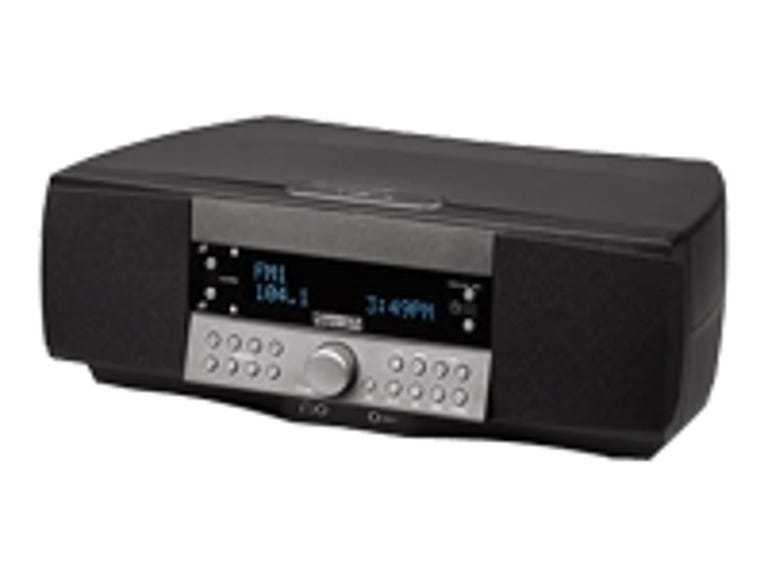
Cambridge Soundworks
Editor's note: We have changed the rating in this review to reflect recent changes in our rating scale. Click here to find out more.
Couldn't load pickup availability
There’s something undeniably magnetic about vintage audio gear. The tactile weight of milled aluminum knobs, the warm glow of dial lamps, and—above all—the rich, analog sound that today’s sterile streaming boxes can’t quite replicate. But time is merciless: capacitors dry out, switches oxidize, and those gorgeous walnut cabinets lose their sheen. That’s where the art (and science) of our vintage audio refurbishment comes in.
Why Vintage Audio Still Matters
In the golden era of hi-fi—roughly the mid-1960s through the early 1980s—companies like Marantz, McIntosh, Pioneer, Sansui, and Technics were engaged in an arms race of build quality. This was before cost-cutting plastics and disposable designs; amplifiers were over-engineered, receivers were works of art, and turntables were precision instruments.
Owning one wasn’t just about sound; it was about status and permanence. These machines were built to last a lifetime—or two. The irony? Decades later, they often do, provided they’re given the care they deserve.
The Philosophy of Refurbishment
Refurbishment is not just about fixing; it’s about preserving authenticity while ensuring reliability. The goal is to keep that lush, analog character alive without compromising safety or sound quality.
Some enthusiasts chase museum-level originality—keeping every factory component in place. Others opt for sympathetic modernization, upgrading parts that never existed in the ’70s to improve performance. Both approaches can be valid; it depends on your vision.
The Turntable Store refurbishing process.. step by step
Step 1: The Initial Encounter
When we first meet a 40-year-old amplifier, we resist the urge to plug it in right away. That dusty Marantz 2270 might look gorgeous, but old electrolytics and brittle insulation can short instantly under full voltage.
Instead:
Tip: A faint musty smell? That’s often the scent of old phenolic boards, not trouble. But a burnt smell? That’s trouble.
Step 2: Deep Cleaning & Control Detox
Dust is the enemy of good sound, that is why we clean the interior carefully with compressed air and a soft brush.
The real magic comes with switches and potentiometers. Over decades, oxidation builds up, causing scratchy controls and dropouts. A deep contact clean in each pot and switch, followed by vigorous cycling, often restores silky-smooth operation.
Step 3: Electrical Resurrection
This is where science meets art:
Step 4: Cosmetic Glory
Refinishing the walnut cabinet can transform a unit. We do use real wood oil or Danish oil, not polyurethane. We clean the glass dial carefully; those silkscreened letters are fragile.
Knobs? We polish with metal cleaner, but never use abrasives on anodized aluminum.
Faceplate lettering? We avoid harsh chemicals—just mild soap and a microfiber cloth.
Step 5: Calibration & Sonic Check
After the repair and cleaning, it’s time to dial in the performance:
When done right, the result is astonishing: a sound that breathes—liquid mids, velvet highs, and bass with a tactile presence that modern gear rarely matches.
Our promise for Audiophile-Level Results
Why It’s Worth It
The payoff isn’t just sonic—it’s emotional. Restoring a 1970s Marantz or Sansui is like bringing a classic car back to life. Every glowing dial lamp, every smooth rotation of a volume knob, connects you to an era when music mattered enough to build machines like this.
And when you drop the needle on your favorite record and hear that warm, enveloping sound, you’ll know: this wasn’t just a repair. It was a resurrection.
We have a 14-day return policy, which means you have 14 days after receiving your item to request a return.
To be eligible for a return, your item must be in the same condition that you received it, unworn or unused, with tags, and in its original packaging. You’ll also need the receipt or proof of purchase.
To start a return, you can contact us at theturntablestore@gmail.com. Please note that returns will need to be sent to the following address:
The Turntable Store
45 Market Square
Manheim PA 17545
If your return is accepted, we’ll send you a return shipping label, as well as instructions on how and where to send your package. Items sent back to us without first requesting a return will not be accepted.
You can always contact us for any return question at theturntablestore@gmail.com.
Damages and issues
Please inspect your order upon reception and contact us immediately if the item is defective, damaged or if you receive the wrong item, so that we can evaluate the issue and make it right.
Exceptions / non-returnable items
Certain types of items cannot be returned, like turntable needles and custom products (such as special orders or personalized items). We also do not accept returns for hazardous materials, flammable liquids, or gases. Please get in touch if you have questions or concerns about your specific item.
Unfortunately, we cannot accept returns on sale items or gift cards.
Exchanges
The fastest way to ensure you get what you want is to return the item you have, and once the return is accepted, make a separate purchase for the new item.
European Union 14 day cooling off period
Notwithstanding the above, if the merchandise is being shipped into the European Union, you have the right to cancel or return your order within 14 days, for any reason and without a justification. As above, your item must be in the same condition that you received it, unworn or unused, with tags, and in its original packaging. You’ll also need the receipt or proof of purchase.
Refunds
We will notify you once we’ve received and inspected your return, and let you know if the refund was approved or not. If approved, you’ll be automatically refunded on your original payment method within 10 business days. Please remember it can take some time for your bank or credit card company to process and post the refund too.
If more than 15 business days have passed since we’ve approved your return, please contact us at theturntablestore@gmail.com.
We ensure our customers have the best shopping experience
All items are meticulously serviced and restored to meet factory specifications
We pack with precision and ship in brand new, appropriately sized, boxes.
Be in the know with timely notifications on your order, starting from acceptance to tracking numbers, allowing you to stay connected with your purchase